
30 October 2026 · 9 min read
10 Easy Ways to Protect Your Carpet from Daily Wear and Tear

Knowing how to protect carpet can help you keep your home looking clean and comfortable for longer. Everyday foot traffic, outdoor dirt, furniture, and accidental spills can slowly affect your carpet's appearance. The good news is that a few simple habits can make a real difference. You do not need an expensive routine or special products to start caring for your carpet properly.
In the blog, you will discover ten easy ways to protect your carpet from daily wear and tear. From regular vacuuming to protecting furniture marks, these practical tips can help reduce dirt, prevent avoidable damage, and keep your carpet looking its best.
Why Is It Important to Protect Your Carpet?
Carpets make rooms feel warm and comfortable, but they face a lot of daily use. Every time someone walks across the carpet, small pieces of dirt and grit can settle between the fibres. If this dirt stays there, it can rub against the fibres as people move around.
Busy areas, such as hallways, stairs, and living rooms, often show signs of wear sooner than rooms used less often. You may notice flattened patches, dull-looking areas, or changes in the carpet's texture.
Furniture can also leave marks when heavy items sit in the same place for a long time. Spills and unsuitable cleaning products may cause further problems if they are not handled carefully.
Good carpet protection starts with simple steps that limit dirt, pressure, and spills. Preventing avoidable damage is often easier than trying to fix it later. A steady care routine can help you keep your carpet in better condition and may help it last longer.
10 Easy Ways to Protect Carpet from Daily Wear and Tear
Vacuum Your Carpet Regularly
Regular vacuuming is one of the easiest carpet maintenance tips to follow. It removes loose dirt, dust, crumbs, and other small pieces of debris before they build up.
How often you vacuum depends on how much use each area gets. A busy hallway may need attention several times a week, while a spare room may need less frequent cleaning. Homes with children or pets may also need more regular vacuuming.
Use a vacuum suitable for your carpet type and follow the manufacturer's instructions. Move it slowly enough to pick up dirt rather than rushing through the room.
Pay extra attention to entrances, under tables, and the paths people use most often. These areas can collect more dirt than the rest of the room.
Place Doormats at Entrances
Outdoor dirt is a common cause of carpet wear and tear. A good doormat can catch much of this dirt before it reaches your carpet.
Place a suitable mat outside your main entrance and another just inside if space allows. Choose mats that stay in place and are easy to clean. Shake them out or wash them according to their care instructions so they do not become full of dirt.
If you have a garden or an outdoor area, an entrance mat can be especially useful after wet or muddy weather.
Check your mats regularly. A dirty mat cannot collect as much new dirt, so keeping it clean is an important part of learning how to protect carpet from dirt.
Remove Outdoor Shoes Indoors
Shoes can carry mud, grit, food marks, and other dirt into your home. Removing them at the door is a simple way to reduce what reaches your carpet.
You do not have to make this rule difficult to follow. Place a shoe rack near the entrance and keep indoor slippers nearby if you prefer wearing something on your feet.
This habit can be particularly helpful in homes where people regularly walk through carpeted hallways or living rooms.
Ask family members and visitors to leave outdoor shoes near the entrance when practical. It is a small change that can support daily carpet care and reduce the need for frequent cleaning.
Protect High-Traffic Areas
Some parts of a home naturally receive more foot traffic than others. Hallways, stairs, entrances, and the routes between rooms often show wear first.
To learn how to protect carpet in high-traffic areas, start by keeping these spaces free from loose dirt. Vacuum them more often and clean up any spills as soon as possible.
A suitable runner or rug can also help protect a busy section of carpet. Make sure it is designed for use on carpet and does not slip, bunch up, or create a tripping risk. Follow the care instructions for both the carpet and the covering.
If one route through your living room gets used all day, consider whether furniture can be arranged to spread foot traffic more evenly.
Use Furniture Pads
Heavy furniture can press down on carpet fibres and leave visible marks. Chairs may also move back and forth as people sit down or stand up, putting extra pressure on the same spots.
Suitable furniture pads can help spread the weight and reduce direct pressure from furniture legs. Check that the pads are safe for your furniture and carpet, and inspect them from time to time to make sure they remain in place.
This is a useful way to protect carpet from furniture, especially beneath dining chairs, tables, and other items that stay in one position.
If a chair is used many times a day, check its pads regularly. Worn or loose pads may not provide the support you expect.
Move Furniture Carefully
Moving furniture the wrong way can pull carpet fibres, leave marks, or damage the carpet surface. Dragging a heavy sofa or cabinet across the room can put unnecessary strain on the fibres.
Whenever possible, lift furniture with help rather than dragging it. For heavy items, use suitable moving equipment or ask someone experienced to help. Avoid putting your back at risk to move something on your own.
If you need to rearrange a room, plan where each item will go before moving it. This can reduce repeated movement and help prevent accidental damage.
Before moving a chair or small table, check that its legs are clear of anything that could catch on the carpet.
Clean Spills as Soon as Possible
Quick action can help stop a spill from becoming a lasting stain. Drinks, sauces, and other liquids may spread or soak into the carpet if left untreated.
First, remove any solid material gently. Then use a clean, absorbent cloth to blot the spill. Press lightly to lift the liquid, working from the outside towards the centre. Avoid rubbing, as this can spread the spill and push it deeper into the carpet.
Before using a cleaning product, check the carpet's care instructions. Different carpet materials may need different methods, and some products can cause colour changes.
Keep a few clean white cloths in an easy-to-reach place. Having them ready can make it easier to respond when a spill happens.
Choose Cleaning Products Carefully
Not every carpet cleaning product is suitable for every carpet. Using the wrong one may leave a mark, change the colour, or leave a sticky layer that attracts more dirt.
Read the product label and check your carpet manufacturer's advice before cleaning. If the product is suitable, test it on a small, hidden area first. Follow the instructions and allow the test area to dry so you can check for any unwanted change.
Avoid mixing cleaning products or using more than the recommended amount. More product does not always mean better results.
If you are unsure what your carpet needs, avoid trying several products one after another. Check the care instructions or seek advice from a suitable carpet cleaning professional.
Follow the Right Care Routine for Your Carpet
Different carpet materials can have different care needs. Wool, nylon, polyester, and polypropylene carpets may respond differently to cleaning products, moisture, and heat.
For this reason, one cleaning method may not suit every carpet. Follow the manufacturer's guidance for vacuuming, stain care, and deeper cleaning. Pay attention to any advice about products to avoid.
A simple carpet care routine should include regular vacuuming, prompt spill care, and occasional checks for areas that collect more dirt. Adjust the routine to suit how each room is used.
If you do not know what your carpet is made from, check any paperwork supplied when it was installed or ask the retailer if that information is available.
For more advice, read our supporting guide on how to care for different types of carpet.
Arrange Professional Cleaning When Needed
Regular home care helps, but it may not remove all the dirt that builds up over time. If your carpet still looks dirty after suitable vacuuming and spot care, professional cleaning may be worth considering.
A suitable cleaning method can help remove accumulated dirt and freshen the carpet. However, the right approach depends on the carpet material, its condition, and the manufacturer's instructions. Professional cleaning cannot reverse every type of wear or damage.
There is no single cleaning schedule that suits every home. The amount of foot traffic, the presence of pets, and the carpet's condition all affect how often deeper cleaning may be needed.
If you are considering a professional service, explain any stains, odours, or areas of concern before cleaning begins. This helps the cleaner assess the carpet and choose an appropriate method.
If your carpet needs extra attention, explore our carpet cleaning services in London to learn more about the available services.
Common Carpet Protection Mistakes to Avoid
Even with a regular care routine, a few common mistakes can make carpet problems worse.
- Leaving spills untreated: Liquids can spread or soak into the carpet, making them harder to remove.
- Scrubbing stains aggressively: Hard rubbing can spread the stain and damage the carpet fibres. Blot gently instead.
- Using unsuitable cleaning products: A product that works on one carpet may not be safe for another. Check the care instructions first.
- Dragging heavy furniture: This can pull fibres or leave marks. Lift items carefully when possible.
- Ignoring busy areas: Hallways and entrances may need more frequent vacuuming than rooms used less often.
- Using too much water: Excess moisture may take a long time to dry and can cause problems if it reaches the carpet backing or floor underneath. Follow the recommended cleaning method and avoid soaking the carpet.
Avoiding these mistakes is an important part of learning how to prevent carpet damage and reduce everyday wear.
Frequently Asked Questions About Carpet Protection
How can I protect my carpet from daily wear and tear?
Vacuum regularly, use clean doormats, remove outdoor shoes when practical, and fit suitable pads under furniture legs. Blot spills quickly and follow the care instructions for your carpet. These habits can help reduce dirt build-up and avoidable damage.
How do I protect carpet in high-traffic areas?
Vacuum busy areas more often and use suitable entrance mats to limit the dirt brought indoors. A well-fitted runner may help protect a frequently used path. Keep hallways and stairs clear, and deal with spills as soon as possible.
How can I protect carpet from heavy furniture?
Use suitable furniture pads to help spread pressure beneath furniture legs. Avoid dragging heavy items across the carpet, and lift them carefully with help when needed. Check the pads regularly to make sure they remain in place.
How can I prevent my carpet from flattening?
Reduce repeated pressure where practical, use suitable furniture pads, and move furniture carefully. Vacuuming may help improve the appearance of some flattened areas, depending on the carpet. Follow the manufacturer's advice, as not every type of flattening can be reversed.
Does professional carpet cleaning help protect carpet?
Suitable professional cleaning can remove accumulated dirt that regular vacuuming may leave behind. This can help freshen the carpet, but it cannot prevent all wear or repair every type of damage. The cleaning method should match the carpet's material and condition.
Conclusion
Learning how to protect your carpet does not need to be complicated. Regular vacuuming, clean doormats, fewer outdoor shoes indoors, furniture pads, and quick spill care can all help reduce everyday wear and tear. Paying extra attention to busy areas and following the right care routine for your carpet can also help it stay in good condition for longer.
If your carpet still looks dirty after regular care, suitable professional cleaning may be the next step. Prime Carpet Cleaning and Upholstery Steam Cleaning helps customers in London with their carpet cleaning needs. Explore the available services and choose an approach that suits your carpet, its condition, and your home.
Need Professional Carpet Cleaning?
Get a free, no-obligation quote for carpet, rug, or upholstery cleaning across London.
More From the Blog
Related Reading
 7 min read
20 November 2026
How Do You Deep Clean a Mattress for a Fresher and Healthier Bed?
Vacuum, deodorise with baking soda, treat stains and dry fully. Our step-by-step guide to deep cleaning a mattress, and when to call a professional.
Read More → 8 min read
20 November 2026
Why Does Your Carpet Smell After Cleaning? Causes and Solutions
A damp smell after cleaning is often normal, but a musty one is not. Learn the causes, from trapped moisture to pet odours, and how to fix them.
Read More → 9 min read
18 November 2026
Different Sofa Cleaning Methods Explained: A Complete Guide
Hot water extraction, low-moisture, dry, foam and hand cleaning compared. Learn how each sofa cleaning method works and how to choose the right one for your fabric.
Read More → 11 min read
17 November 2026
How to Clean and Care for a Fabric Sofa: The Complete Guide
Check the care label, vacuum, treat stains and dry properly. A step-by-step guide to cleaning fabric sofas, removing stains and smells, and knowing when to call a professional.
Read More → 10 min read
11 November 2026
Commercial Carpet Cleaning Methods: A Complete Guide
Compare hot water extraction, low-moisture, encapsulation, bonnet and shampooing methods, and learn how to choose the right approach for your office, shop or commercial property.
Read More → 9 min read
10 November 2026
How to Prepare for Professional Carpet Cleaning: A Complete Guide
Clear small items, check furniture, point out stains and arrange access. Follow these 8 steps and a quick checklist to get ready for your carpet cleaning appointment.
Read More → 9 min read
5 November 2026
Professional Carpet Cleaning vs DIY: Which Is Better?
DIY cleaning suits light dirt and small spills, while professional cleaning suits heavier soiling. Compare cost, equipment, results and drying time.
Read More → 9 min read
4 November 2026
Carpet Shampooing vs Steam Cleaning: Which Is Better?
Shampooing works a cleaning product into the fibres, while steam cleaning usually means hot water extraction. Compare residue, drying time and which suits your carpet.
Read More → 8 min read
4 November 2026
Dry Carpet Cleaning vs Steam Cleaning: Which Is Better?
Dry cleaning uses very little moisture, while steam cleaning usually means hot water extraction. Compare how each works, drying times and which suits your carpet.
Read More → 8 min read
4 November 2026
What Is Hot Water Extraction Carpet Cleaning? A Complete Guide
Hot water extraction uses heated water, a cleaning solution and strong suction to lift dirt. Learn how it works, its benefits and limits, and whether it suits your carpet.
Read More → 8 min read
2 November 2026
Carpet Cleaning Methods Explained: The Complete Guide
Hot water extraction, dry cleaning, encapsulation, bonnet cleaning and shampooing each have their place. Compare the main carpet cleaning methods and choose the right one.
Read More → 8 min read
2 November 2026
How to Dry Carpet After Cleaning: 10 Proven Tips to Speed Up Drying Time
Wet carpet can feel uncomfortable and hold a damp smell. Learn ten practical ways to dry carpet faster, what affects drying time and what to do if it stays wet.
Read More → 8 min read
30 October 2026
How to Choose the Right Carpet Cleaning Products
The wrong cleaner can leave marks, residue or colour changes. Learn how to match carpet cleaning products to your carpet, read labels, test safely and avoid common mistakes.
Read More → 7 min read
28 October 2026
How to Clean Wool, Nylon, Polyester, and Other Types of Carpet
Wool, nylon, polyester and polypropylene carpets all need different care. Learn how to identify your carpet type, clean it safely and avoid common mistakes.
Read More → 8 min read
28 October 2026
How Often Should You Get Your Carpets Professionally Cleaned?
For most homes every 12 to 18 months is a good starting point, but pets, children and busy areas can mean more often. Learn how to set the right schedule.
Read More →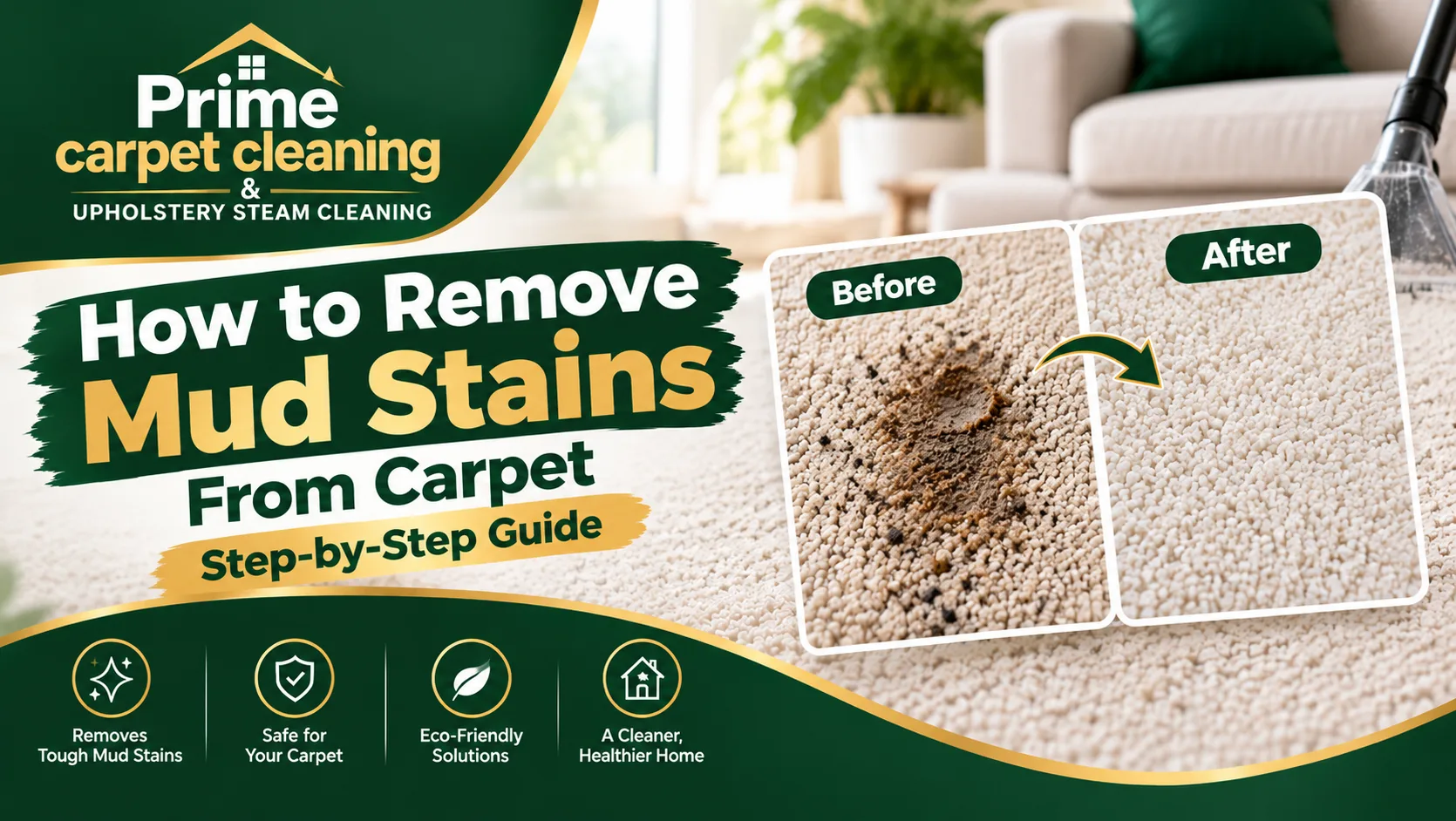 7 min read
20 October 2026
How to Remove Mud Stains From Carpet: A Step-by-Step Guide
Muddy footprints can make a clean carpet look dirty in seconds. Learn how to lift fresh and dried mud safely, step by step, and the mistakes to avoid.
Read More → 6 min read
16 October 2026
How Often Should You Vacuum Your Carpet?
Some rooms need vacuuming several times a week, others only once. Learn how often to vacuum carpet, the best way to do it, and simple habits that keep carpets cleaner.
Read More → 8 min read
15 October 2026
Carpet Care and Maintenance: The Complete Guide
Regular maintenance helps reduce everyday dirt, manage spills, prevent unnecessary wear, and keep carpets looking their best for longer. Here are practical carpet care tips for your home.
Read More →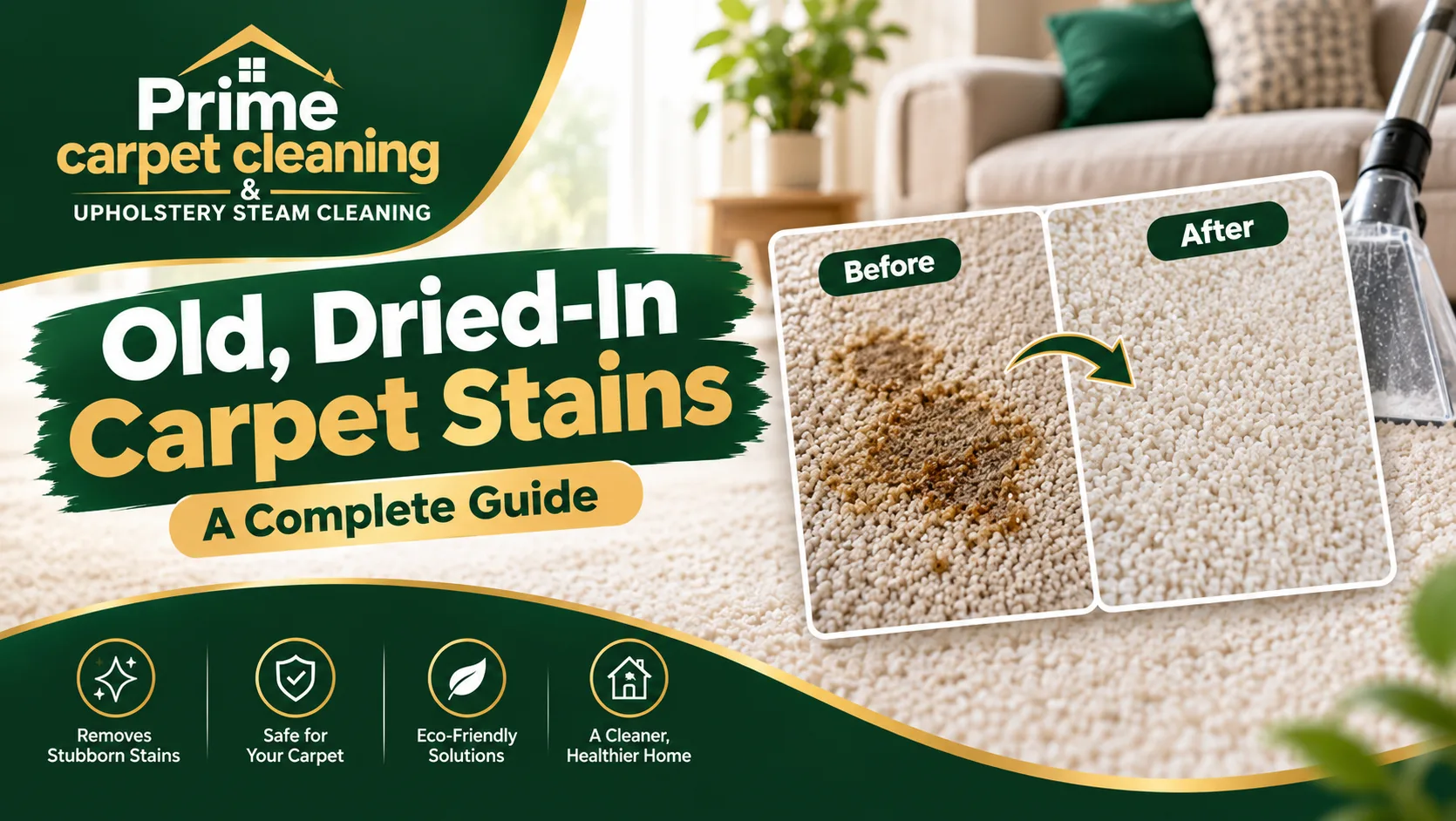 9 min read
14 October 2026
How to Remove Old, Dried-In Carpet Stains: A Complete Guide
A dried stain does not always mean the carpet is permanently marked. Learn how to treat old, dried-in stains gradually and safely, and when professional help is the better option.
Read More → 7 min read
13 October 2026
How to Remove Ink From Carpet: A Simple Step-by-Step Guide
Whether it is from a leaking pen, marker, or another ink spill, the right cleaning steps can help prevent the stain from spreading and becoming harder to remove.
Read More → 6 min read
9 October 2026
How to Remove Blood From Carpet: A Simple Step-by-Step Guide
Fresh blood is usually easier to remove, while dried blood may take more time and gentler cleaning. Use cold water, blot instead of rubbing, and follow these simple steps.
Read More → 7 min read
6 October 2026
How to Remove Oil From Carpet: A Simple Step-by-Step Guide
Oil can spread through carpet fibres and leave a dark, greasy mark if it is not treated properly. Absorb first, clean carefully, and avoid rubbing — here is the full step-by-step guide.
Read More → 7 min read
2 October 2026
How to Remove Pet Urine Stains From Carpet: A Step-by-Step Guide
Pet accidents can leave more than a wet patch on your carpet. Act quickly, absorb as much urine as possible, and clean carefully — here is the full step-by-step guide.
Read More → 7 min read
1 October 2026
How to Remove Coffee Stains From Carpet: A Simple Step-by-Step Guide
Spilled coffee can leave a noticeable mark on your carpet, especially if you don't clean it quickly. Here's how to treat fresh and dried coffee stains the right way.
Read More → 8 min read
30 September 2026
How to Clean Carpet Stains: A Complete Guide to Removing Common Stains
A spilled coffee, muddy shoes, or a pet accident can leave an unwanted mark on your carpet. Learn simple ways to treat common stains, clean old marks, and know when to call in the professionals.
Read More → 7 min read
29 September 2026
How to Remove Red Wine Stains From Carpet: A Step-by-Step Guide
Spilled red wine on your carpet? Don't panic. Act fast, blot instead of rubbing, and use a suitable cleaning solution — here's the full step-by-step guide for fresh and dried stains.
Read More →