18 November 2026 · 9 min read
Different Sofa Cleaning Methods Explained: A Complete Guide
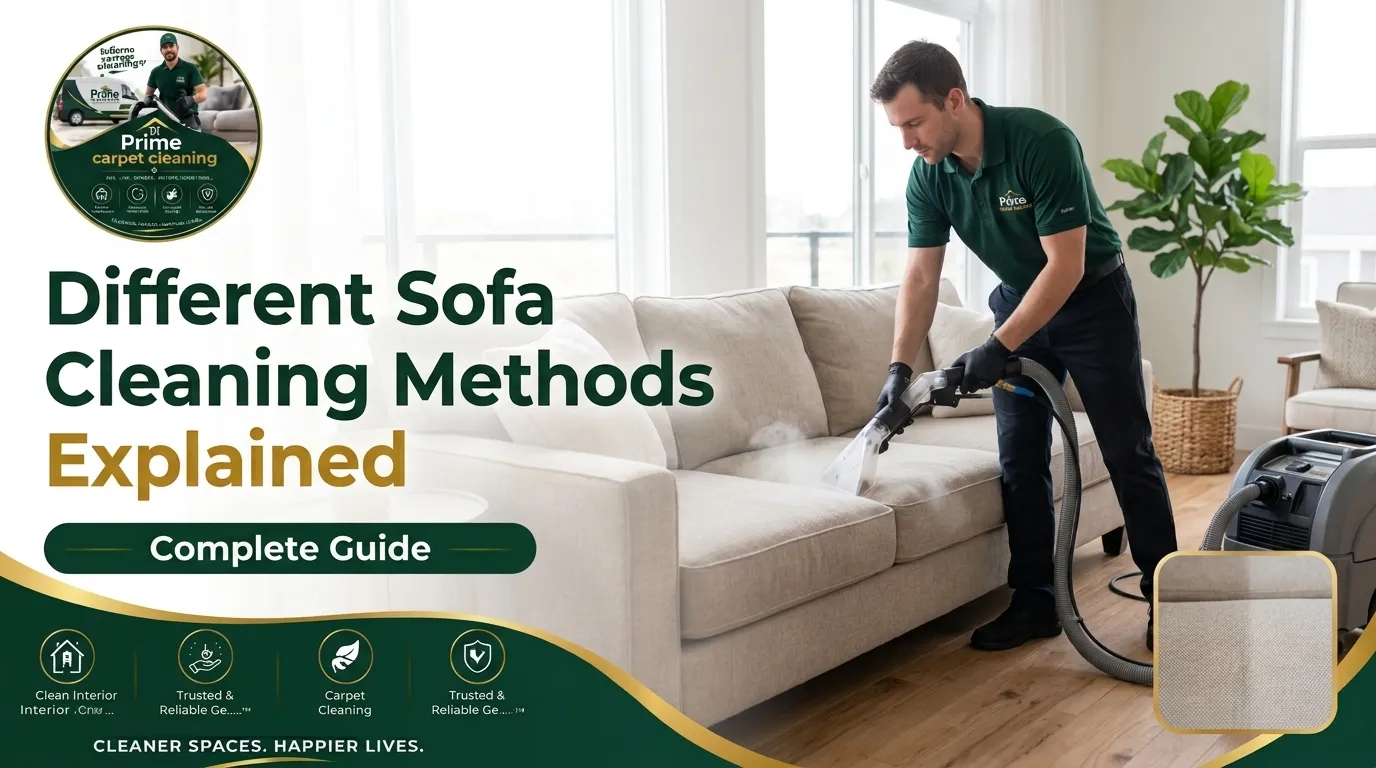
Choosing between different sofa cleaning methods can be confusing, especially when every sofa has different cleaning needs. Dust, food spills, pet hair, and everyday use can leave upholstery looking dull and dirty. However, using the wrong cleaning method can damage certain fabrics or leave unwanted marks. The best approach depends on your sofa's material, condition, and manufacturer instructions. In this guide, we explain the most common sofa and upholstery cleaning methods, how they work, their benefits and limitations, and how to choose the right option to keep your sofa looking clean and fresh.
What Are the Different Sofa Cleaning Methods?
There are several ways to clean a fabric sofa, and each method works differently. Some use water and cleaning solutions, while others rely on foam, dry products, or gentle hand cleaning.
The most common upholstery cleaning methods include:
- Hot water extraction: Uses heated water and a suitable cleaning solution to loosen and remove dirt.
- Low-moisture cleaning: Uses a smaller amount of liquid to clean suitable upholstery.
- Dry sofa cleaning: Uses suitable dry cleaning products or compounds with little or no water.
- Foam cleaning: Applies cleaning foam to help loosen surface dirt.
- Upholstery shampoo cleaning: Uses a suitable cleaning shampoo to treat fabric surfaces.
- Hand and spot cleaning: Uses suitable products and cloths to clean smaller areas.
No single method is right for every sofa. The fabric and its cleaning instructions should always guide the choice.
Hot Water Extraction Sofa Cleaning
Hot water extraction is one of the professional sofa cleaning methods used for suitable fabric upholstery. It is also commonly called sofa steam cleaning, although the process uses heated water rather than actual steam.
How Does Hot Water Extraction Work?
The process usually begins with vacuuming to remove loose dust, crumbs, and pet hair. A suitable cleaning solution is then applied to help loosen dirt from the fabric.
An upholstery cleaning machine applies the cleaning solution and extracts it along with loosened dirt and excess moisture. The sofa is then left to dry with suitable airflow.
Benefits of Hot Water Extraction
- Helps remove built-up dirt from suitable fabrics.
- Provides a deeper clean than routine vacuuming.
- Removes loosened dirt and cleaning solution.
- Can help refresh heavily used sofa areas.
Limitations of Hot Water Extraction
- Not suitable for every fabric.
- Uses moisture and requires drying time.
- Excessive water can affect certain materials.
- Requires suitable equipment and careful handling.
Always check the manufacturer's cleaning instructions before choosing this method.
Low-Moisture Sofa Cleaning
Low-moisture upholstery cleaning uses a limited amount of liquid to clean suitable sofa fabrics. It can be useful when a sofa needs more attention than vacuuming but does not require a full wet cleaning process.
How Does Low-Moisture Upholstery Cleaning Work?
A suitable cleaning solution is applied to the fabric and gently worked into the affected areas. The loosened dirt and remaining product are then removed using the appropriate cleaning equipment or cloths.
Benefits of Low-Moisture Cleaning
- Uses less water than many wet cleaning methods.
- Can reduce drying time.
- May suit certain moisture-sensitive fabrics.
- Useful for some lightly or moderately soiled sofas.
Limitations of Low-Moisture Cleaning
- May not be enough for heavily soiled upholstery.
- Results depend on the fabric and cleaning product.
- Requires proper product removal.
- Not suitable for every sofa material.
Dry Sofa Cleaning
Dry sofa cleaning is another option for upholstery that may not be suitable for conventional wet cleaning. It uses specialised dry cleaning products, powders, or compounds to help loosen or absorb dirt.
How Does Dry Sofa Cleaning Work?
A suitable dry cleaning product is applied to the sofa according to its instructions. Some products are gently worked into the fabric to attract dirt, while others use specialised cleaning compounds.
The product and loosened dirt are then removed using suitable equipment, often through careful vacuuming.
Benefits of Dry Sofa Cleaning
- Uses little or no water, depending on the method.
- Can suit certain moisture-sensitive fabrics.
- May reduce the waiting time before using the sofa again.
- Provides another option for delicate upholstery.
Limitations of Dry Sofa Cleaning
- Product choice is important.
- May not remove deeply embedded dirt as effectively as suitable extraction cleaning.
- Some products require careful removal.
- Not every dry cleaning method suits every fabric.
Foam Sofa Cleaning
Foam cleaning uses a specially designed upholstery cleaning product to help remove surface dirt from suitable sofa fabrics.
How Does Foam Cleaning Work?
A suitable cleaning foam is applied to the affected fabric and gently worked across the surface. The foam helps loosen dirt, which is then removed according to the product instructions.
Benefits of Foam Cleaning
- Uses less liquid than some wet cleaning methods.
- Can help treat light surface dirt.
- Useful for certain fabric types.
- Can be suitable for smaller cleaning tasks.
Limitations of Foam Cleaning
- May not remove deeply trapped dirt.
- Too much foam can leave product residue.
- Requires proper removal and drying.
- Not appropriate for every upholstery material.
Hand Cleaning and Spot Cleaning for Sofas
Hand cleaning is a simple way to deal with small areas that need attention. It is often useful for fresh spills and minor marks rather than cleaning an entire heavily soiled sofa.
How Does Hand Cleaning Work?
A suitable upholstery cleaning product is applied using a clean cloth or other recommended tool. The affected area is treated gently to help loosen dirt without damaging the fabric.
When Is Spot Cleaning Suitable?
Hand cleaning may help with:
- Fresh food spills.
- Small drink marks.
- Minor surface dirt.
- Localised stains.
- Small areas affected by everyday use.
Limitations of Hand Cleaning
Hand cleaning cannot always remove dirt that has built up throughout the sofa. Treating only visible marks may also leave the surrounding fabric looking different.
For larger areas or stubborn stains, a more suitable cleaning method may be needed.
Comparison of Different Sofa Cleaning Methods
Understanding the differences between sofa cleaning techniques makes it easier to choose a suitable option.
| Method | Main approach | Benefits | Limitations |
|---|---|---|---|
| Hot water extraction | Applies and extracts heated cleaning solution | Helps remove loosened dirt | Requires moisture control |
| Low-moisture cleaning | Uses limited liquid | Can reduce drying time | May not suit heavy dirt |
| Dry cleaning | Uses specialised dry products | Useful for some delicate fabrics | Product choice matters |
| Foam cleaning | Applies cleaning foam | Helps with surface dirt | Residue must be removed |
| Hand cleaning | Uses cloths and suitable products | Useful for small stains | Limited for deep cleaning |
The best method depends on your sofa's fabric, condition, and cleaning requirements, not simply which method sounds strongest.
Which Sofa Cleaning Method Is Best for Different Fabrics?
Different fabrics can react differently to water, cleaning products, and brushing. Always check the manufacturer's instructions before cleaning.
Best Cleaning Method for Cotton Sofas
Cotton can absorb moisture, and some cotton fabrics may shrink or develop water marks if cleaned incorrectly. Use only products and methods approved for the sofa.
Best Cleaning Method for Polyester Sofas
Polyester is commonly used in modern sofas. Regular vacuuming and suitable upholstery cleaning products can help maintain its appearance. Water-based cleaning may be suitable when permitted by the manufacturer.
Best Cleaning Method for Microfibre Sofas
Microfibre can collect dust, hair, and everyday dirt. Vacuuming with a suitable upholstery attachment helps with regular care. Always check the cleaning instructions before using liquid products.
Best Cleaning Method for Velvet Sofas
Velvet needs careful handling because its surface can change appearance when rubbed or treated incorrectly. Gentle cleaning and controlled moisture are important.
Best Cleaning Method for Linen Sofas
Linen requires extra care because excessive moisture can cause shrinkage or visible marks. A suitable low-moisture or specialist cleaning method may be more appropriate, depending on the manufacturer's instructions.
Check the sofa cleaning label: Some upholstery uses W, S, WS, or X cleaning codes. These indicate which types of cleaning products or methods are permitted. Their exact meaning should be checked against the manufacturer's instructions.
How to Choose the Right Sofa Cleaning Method
Before choosing between different upholstery cleaning methods, consider these important factors:
- Fabric type: Check whether your sofa is made from cotton, polyester, velvet, linen, or another material.
- Cleaning instructions: Follow the manufacturer's care label rather than assuming water-based cleaning is safe.
- Level of dirt: Light surface dirt may need simple cleaning, while heavily soiled upholstery may require a deeper method.
- Stains: Food, drinks, grease, and pet accidents may need different treatments.
- Drying time: Consider how quickly you need to use the sofa again.
- Cleaning requirements: Decide whether you need to refresh a small area or clean the entire sofa.
One important lesson in sofa cleaning is that using more water or stronger products does not automatically produce better results. Incorrect treatment can leave marks, damage fibres, or create additional cleaning problems. Testing a suitable product on a hidden area and following the manufacturer's instructions can help reduce these risks.
How Often Should You Professionally Clean a Sofa?
There is no single cleaning schedule that suits every household. How often you should clean your sofa depends on how frequently it is used and the amount of dirt it collects.
For example, a sofa in a busy family home may need more attention than one in a room that is rarely used.
Consider professional cleaning when:
- Your sofa has visible dirt or built-up grime.
- Food and drink spills have left marks.
- Pets regularly use the furniture.
- Unpleasant smells remain after routine cleaning.
- Vacuuming is no longer enough to refresh the fabric.
Regular vacuuming, prompt spill treatment and proper sofa maintenance can help keep upholstery cleaner between professional appointments.
Professional Sofa Cleaning vs DIY Sofa Cleaning
DIY sofa cleaning can be useful for everyday care, small spills, and minor surface dirt. You can use suitable household upholstery products and a vacuum cleaner to maintain your sofa.
Professional sofa cleaning may be more suitable when the entire sofa needs attention, stains are difficult to remove, or the fabric requires careful treatment.
Professional cleaners can assess the upholstery, select suitable cleaning products and use equipment designed for furniture cleaning.
For London homeowners who are unsure which method is suitable, professional upholstery cleaning can help avoid unnecessary risks and provide a more suitable cleaning approach.
Frequently Asked Questions About Sofa Cleaning Methods
What Are the Different Sofa Cleaning Methods?
The main methods include hot water extraction, low-moisture cleaning, dry cleaning, foam cleaning, upholstery shampooing, and hand cleaning. The right choice depends on the fabric and its cleaning requirements.
Which Sofa Cleaning Method Is Best?
There is no single best method for every sofa. Hot water extraction may suit some water-safe fabrics, while low-moisture or dry cleaning may be better for certain delicate materials.
Is Steam Cleaning Safe for Fabric Sofas?
It depends on the fabric and manufacturer instructions. Some sofas can be cleaned using hot water extraction, while others may be damaged by excessive heat or moisture.
What Is Dry Sofa Cleaning?
Dry sofa cleaning uses specialised products or cleaning compounds to loosen or absorb dirt with little or no water. The products are removed according to the chosen method.
What Is Low-Moisture Upholstery Cleaning?
It is a cleaning method that uses a limited amount of liquid to treat suitable upholstery. It can help reduce moisture and drying time.
Is Foam Cleaning Effective for Sofas?
Foam cleaning can help remove surface dirt from suitable fabrics. However, it may not be enough for heavily soiled sofas or deeply embedded dirt.
How Long Does a Sofa Take to Dry After Cleaning?
Drying time depends on the fabric, cleaning method, amount of moisture used, and room conditions. Good airflow can help the sofa dry more quickly.
Can Every Sofa Be Professionally Steam Cleaned?
No. Professional cleaning does not always mean steam cleaning. The method should be selected according to the sofa's material, condition, and care instructions.
When Should You Hire a Professional Sofa Cleaner?
Professional help may be useful if your sofa has stubborn stains, heavy dirt, persistent smells, or delicate fabric that you are unsure how to clean.
It is also worth considering professional cleaning if previous home treatments have not worked or have left visible marks.
Prime Carpet Cleaning and Upholstery Steam Cleaning provides professional upholstery cleaning services across London. The appropriate cleaning approach depends on your sofa's material and condition.
You can explore our Upholstery Cleaning service in London to learn more about our service.
Conclusion
Understanding different sofa cleaning methods helps you make a better decision about caring for your furniture. Hot water extraction, low-moisture cleaning, dry cleaning, foam cleaning, and hand cleaning all have different uses, benefits, and limitations.
The most important thing is to choose a method that suits your sofa's fabric and the manufacturer's instructions. Regular vacuuming and careful stain treatment can also help maintain its appearance.
If your sofa needs a deeper clean, Prime Carpet Cleaning and Upholstery Steam Cleaning offers professional upholstery cleaning services across London. Get in touch to discuss your sofa cleaning requirements and request a quote.
Need Professional Carpet Cleaning?
Get a free, no-obligation quote for carpet, rug, or upholstery cleaning across London.
More From the Blog
Related Reading
 7 min read
20 November 2026
How Do You Deep Clean a Mattress for a Fresher and Healthier Bed?
Vacuum, deodorise with baking soda, treat stains and dry fully. Our step-by-step guide to deep cleaning a mattress, and when to call a professional.
Read More → 8 min read
20 November 2026
Why Does Your Carpet Smell After Cleaning? Causes and Solutions
A damp smell after cleaning is often normal, but a musty one is not. Learn the causes, from trapped moisture to pet odours, and how to fix them.
Read More → 11 min read
17 November 2026
How to Clean and Care for a Fabric Sofa: The Complete Guide
Check the care label, vacuum, treat stains and dry properly. A step-by-step guide to cleaning fabric sofas, removing stains and smells, and knowing when to call a professional.
Read More → 10 min read
11 November 2026
Commercial Carpet Cleaning Methods: A Complete Guide
Compare hot water extraction, low-moisture, encapsulation, bonnet and shampooing methods, and learn how to choose the right approach for your office, shop or commercial property.
Read More → 9 min read
10 November 2026
How to Prepare for Professional Carpet Cleaning: A Complete Guide
Clear small items, check furniture, point out stains and arrange access. Follow these 8 steps and a quick checklist to get ready for your carpet cleaning appointment.
Read More → 9 min read
5 November 2026
Professional Carpet Cleaning vs DIY: Which Is Better?
DIY cleaning suits light dirt and small spills, while professional cleaning suits heavier soiling. Compare cost, equipment, results and drying time.
Read More → 9 min read
4 November 2026
Carpet Shampooing vs Steam Cleaning: Which Is Better?
Shampooing works a cleaning product into the fibres, while steam cleaning usually means hot water extraction. Compare residue, drying time and which suits your carpet.
Read More → 8 min read
4 November 2026
Dry Carpet Cleaning vs Steam Cleaning: Which Is Better?
Dry cleaning uses very little moisture, while steam cleaning usually means hot water extraction. Compare how each works, drying times and which suits your carpet.
Read More → 8 min read
4 November 2026
What Is Hot Water Extraction Carpet Cleaning? A Complete Guide
Hot water extraction uses heated water, a cleaning solution and strong suction to lift dirt. Learn how it works, its benefits and limits, and whether it suits your carpet.
Read More → 8 min read
2 November 2026
Carpet Cleaning Methods Explained: The Complete Guide
Hot water extraction, dry cleaning, encapsulation, bonnet cleaning and shampooing each have their place. Compare the main carpet cleaning methods and choose the right one.
Read More → 8 min read
2 November 2026
How to Dry Carpet After Cleaning: 10 Proven Tips to Speed Up Drying Time
Wet carpet can feel uncomfortable and hold a damp smell. Learn ten practical ways to dry carpet faster, what affects drying time and what to do if it stays wet.
Read More → 8 min read
30 October 2026
How to Choose the Right Carpet Cleaning Products
The wrong cleaner can leave marks, residue or colour changes. Learn how to match carpet cleaning products to your carpet, read labels, test safely and avoid common mistakes.
Read More → 9 min read
30 October 2026
10 Easy Ways to Protect Your Carpet from Daily Wear and Tear
A few simple habits can make a real difference. Discover ten easy ways to reduce dirt, prevent avoidable damage and keep your carpet looking its best.
Read More → 7 min read
28 October 2026
How to Clean Wool, Nylon, Polyester, and Other Types of Carpet
Wool, nylon, polyester and polypropylene carpets all need different care. Learn how to identify your carpet type, clean it safely and avoid common mistakes.
Read More → 8 min read
28 October 2026
How Often Should You Get Your Carpets Professionally Cleaned?
For most homes every 12 to 18 months is a good starting point, but pets, children and busy areas can mean more often. Learn how to set the right schedule.
Read More → 7 min read
20 October 2026
How to Remove Mud Stains From Carpet: A Step-by-Step Guide
Muddy footprints can make a clean carpet look dirty in seconds. Learn how to lift fresh and dried mud safely, step by step, and the mistakes to avoid.
Read More → 6 min read
16 October 2026
How Often Should You Vacuum Your Carpet?
Some rooms need vacuuming several times a week, others only once. Learn how often to vacuum carpet, the best way to do it, and simple habits that keep carpets cleaner.
Read More → 8 min read
15 October 2026
Carpet Care and Maintenance: The Complete Guide
Regular maintenance helps reduce everyday dirt, manage spills, prevent unnecessary wear, and keep carpets looking their best for longer. Here are practical carpet care tips for your home.
Read More → 9 min read
14 October 2026
How to Remove Old, Dried-In Carpet Stains: A Complete Guide
A dried stain does not always mean the carpet is permanently marked. Learn how to treat old, dried-in stains gradually and safely, and when professional help is the better option.
Read More → 7 min read
13 October 2026
How to Remove Ink From Carpet: A Simple Step-by-Step Guide
Whether it is from a leaking pen, marker, or another ink spill, the right cleaning steps can help prevent the stain from spreading and becoming harder to remove.
Read More → 6 min read
9 October 2026
How to Remove Blood From Carpet: A Simple Step-by-Step Guide
Fresh blood is usually easier to remove, while dried blood may take more time and gentler cleaning. Use cold water, blot instead of rubbing, and follow these simple steps.
Read More → 7 min read
6 October 2026
How to Remove Oil From Carpet: A Simple Step-by-Step Guide
Oil can spread through carpet fibres and leave a dark, greasy mark if it is not treated properly. Absorb first, clean carefully, and avoid rubbing — here is the full step-by-step guide.
Read More → 7 min read
2 October 2026
How to Remove Pet Urine Stains From Carpet: A Step-by-Step Guide
Pet accidents can leave more than a wet patch on your carpet. Act quickly, absorb as much urine as possible, and clean carefully — here is the full step-by-step guide.
Read More → 7 min read
1 October 2026
How to Remove Coffee Stains From Carpet: A Simple Step-by-Step Guide
Spilled coffee can leave a noticeable mark on your carpet, especially if you don't clean it quickly. Here's how to treat fresh and dried coffee stains the right way.
Read More → 8 min read
30 September 2026
How to Clean Carpet Stains: A Complete Guide to Removing Common Stains
A spilled coffee, muddy shoes, or a pet accident can leave an unwanted mark on your carpet. Learn simple ways to treat common stains, clean old marks, and know when to call in the professionals.
Read More → 7 min read
29 September 2026
How to Remove Red Wine Stains From Carpet: A Step-by-Step Guide
Spilled red wine on your carpet? Don't panic. Act fast, blot instead of rubbing, and use a suitable cleaning solution — here's the full step-by-step guide for fresh and dried stains.
Read More →