
2 November 2026 · 8 min read
How to Dry Carpet After Cleaning: 10 Proven Tips to Speed Up Drying Time
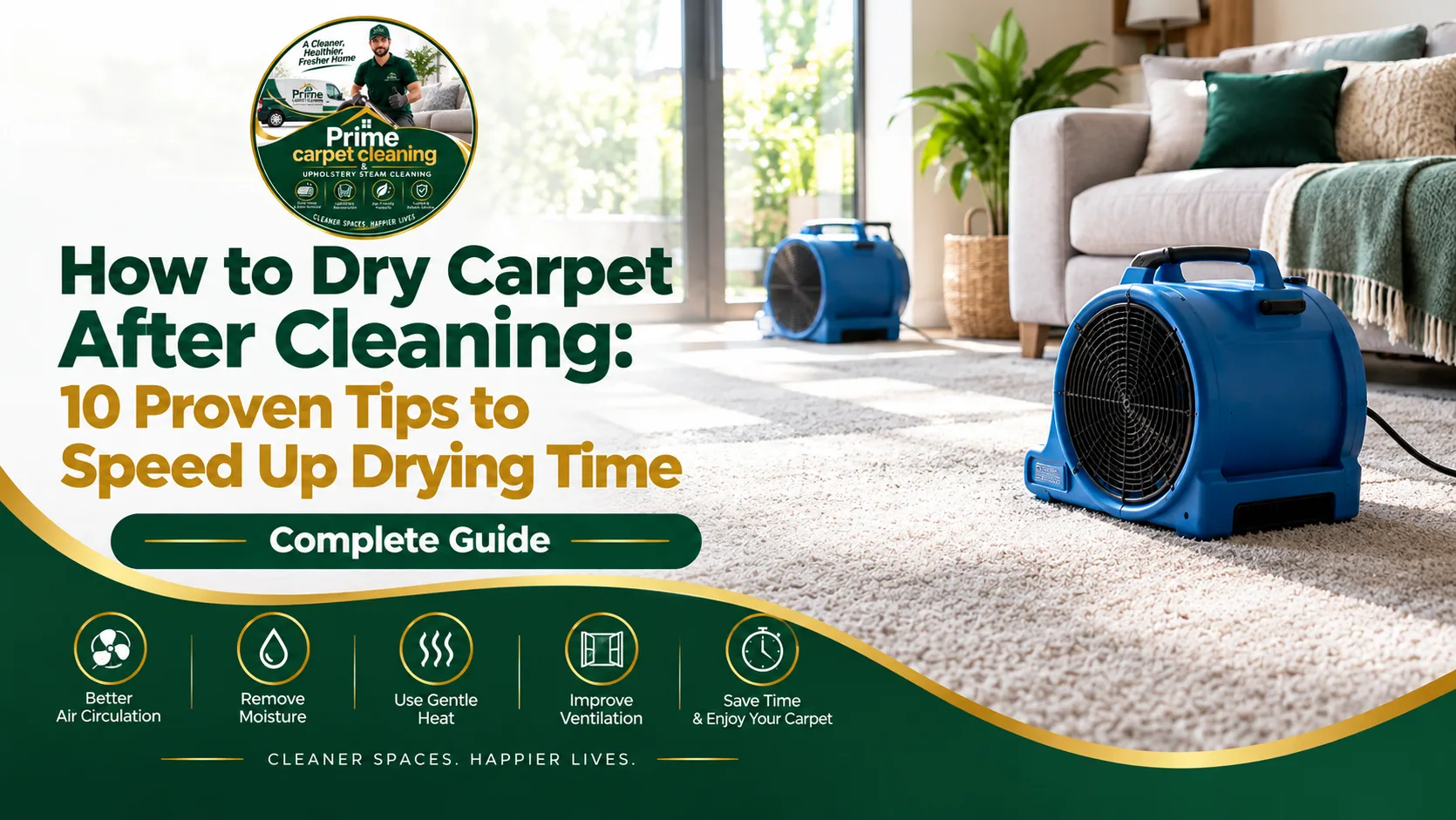
Knowing how to dry carpet after cleaning can help you get your room back to normal sooner. Wet carpet can feel uncomfortable, hold a damp smell, and take longer to dry in a room with poor airflow. The good news is that a few simple steps can help remove moisture and improve drying conditions.
Whether you have cleaned your carpet by hand, used a carpet shampoo, or had it professionally cleaned, the right approach matters. In this blog, you will learn ten practical ways to dry carpet faster, understand what affects drying time, and discover what to do if your carpet stays wet for too long.
Why Is It Important to Dry Carpet Properly?
A carpet needs time to dry after cleaning, but leaving it wet for too long can cause problems. Moisture trapped in the carpet or the layer underneath may lead to a lasting damp smell. If the area stays damp, it can also create conditions that encourage mould growth.
Wet carpet can be uncomfortable to walk on and may collect dirt more easily when people move across it. There is also a risk of slipping, especially on smooth flooring near carpet edges.
The time needed to dry depends on how much water was used, the carpet material, its thickness, and the conditions in the room. Good airflow and lower indoor moisture can help speed things up.
The goal is not simply to make the carpet feel dry on the surface. It is to allow the carpet and any affected layers underneath to dry properly.
10 Ways to Dry Carpet After Cleaning
1. Remove Excess Water First
One of the best ways to dry wet carpet is to remove as much extra moisture as you safely can. If the carpet is damp after spot cleaning, take a clean, absorbent towel and gently press it against the wet area.
Lift the towel when it becomes damp and use a dry section or a fresh towel if needed. Avoid rubbing the carpet, as this may damage the fibres or spread any remaining stain.
If you used a carpet cleaning machine, follow its instructions for removing extra water. Some machines have a setting designed to collect more moisture.
If you have cleaned a small spill, start with a clean white towel so you can see how much moisture is being absorbed.
2. Improve Airflow Around the Room
Air movement helps moisture leave the carpet and enter the air. If the room is closed up, drying may take longer.
Where practical, open interior doors to allow air to move between rooms. Move small items away from the damp area so air can reach more of the carpet.
If the carpet is in a bedroom or living room, make sure furniture is not blocking all the airflow around the wet patch.
Check the room after a short while. If the air feels still and the carpet remains damp, try adding a fan or improving ventilation where conditions allow.
3. Use a Fan to Move Air
A fan can help speed up carpet drying by moving air across the damp surface. Place it at a safe distance and direct the airflow over the wet area rather than concentrating it on just one small spot.
For a larger room, more than one fan may help circulate air, provided they can be used safely. Keep electrical cords, plugs, and connections away from wet carpet and water. Never handle electrical equipment with wet hands.
A fan moves air but does not remove moisture from the room by itself. If the air is already very humid, a dehumidifier may also be useful.
If a carpet has been cleaned across a large room, position the fan so air can move over as much of the carpet as possible.
4. Ventilate the Room When Conditions Allow
Opening windows can help bring in fresh air and improve ventilation. This may help the carpet dry faster when the outdoor air is less humid than the air inside.
However, opening windows is not always the best choice. On a rainy or very humid day, outdoor air may add moisture rather than help remove it. Cold weather can also affect indoor comfort.
If the weather is suitable, open windows on opposite sides of the room or property when safe to create a path for air to move through.
Check the weather before relying on open windows alone. If outdoor conditions are damp, keep windows closed and consider using a dehumidifier instead.
5. Consider a Dehumidifier
A dehumidifier removes moisture from indoor air. This can be helpful when a carpet is wet, and the room cannot be ventilated easily.
Place the unit in a suitable location and follow its safety instructions. Keep it away from wet areas unless the manufacturer confirms that the setup is safe. Empty the water container as directed, or check the drainage system if your unit uses one.
A dehumidifier can work well alongside a fan. The fan moves air across the carpet, while the dehumidifier helps reduce moisture in the room.
A dehumidifier may be particularly useful in a room with limited ventilation, such as a bedroom where windows need to stay closed.
6. Keep the Room at a Comfortable Temperature
A comfortably warm room can support drying, especially when combined with good airflow. If the room is very cold, moisture may take longer to leave the carpet.
You do not need to make the room unusually hot. Keep the temperature comfortable and use your normal heating system safely if needed.
Avoid placing portable heaters close to wet carpet or leaving them unattended. Never use an open flame or an unsuitable heat source to dry carpet. Excess heat may damage some materials and create a safety risk.
Combine a comfortable room temperature with airflow rather than relying on heat alone.
7. Keep Foot Traffic to a Minimum
Walking over wet carpet can transfer dirt from shoes and feet onto the damp fibres. It may also flatten some carpet fibres or make the surface uncomfortable to use.
If possible, keep children, pets, and visitors away from the area while it dries. If you need to cross the room, follow the advice given by your carpet cleaner or the cleaning product manufacturer.
Be especially careful near carpet edges and adjoining hard floors, where wet surfaces may create a slipping risk.
If you have cleaned a busy hallway, plan another route through the home until the carpet is sufficiently dry.
8. Follow the Right Method After Carpet Shampooing
If you want to know how to dry carpet after shampooing, start by checking the instructions for the product and cleaning machine you used.
Some methods leave more moisture in the carpet than others. Using too much cleaning solution or water may make drying take longer. If your machine has a setting for collecting extra water, use it as directed.
Do not add more water simply to rinse the carpet unless the product instructions call for it. Too much moisture can spread into the carpet backing or underlay.
Next time you clean, use only the recommended amount of solution and make any required passes to remove excess moisture.
9. Check Under Furniture and Around Edges
Carpet can dry unevenly. A section in the middle of a room may feel dry while an area beneath furniture or close to a wall remains damp.
If it is safe to do so, move lightweight items away from the damp area to allow more air to reach the carpet. Do not drag heavy furniture across wet carpet. If furniture legs could be affected by moisture, protect them according to the furniture manufacturer's advice.
Check carpet edges carefully, especially if a large amount of water was used.
Do not assume the entire carpet is dry just because one area feels dry to the touch.
10. Get Professional Help if the Carpet Stays Wet
Sometimes home drying methods are not enough. If the carpet remains very wet, moisture may have reached the backing or underlay. A strong damp smell or an area that stays wet despite improved airflow may also need attention.
Avoid repeatedly adding cleaning products or water in an attempt to fix the problem. Contact the cleaning provider if the carpet was professionally cleaned, or seek advice from a suitable carpet care professional.
A professional can assess the carpet and advise whether further moisture removal is needed.
Explain how the carpet was cleaned, how long it has been wet, and whether the dampness affects one small area or a whole room.
How Long Does Carpet Take to Dry After Cleaning?
If you are wondering, "After carpet cleaning, how long does it take to dry?", the answer depends on the cleaning method and room conditions.
A lightly damp carpet may dry within several hours, while a carpet that has absorbed more water may take longer. Thick carpet, damp underlay, poor airflow, and high indoor humidity can all increase the drying time.
Fans, suitable ventilation, and a dehumidifier may help. However, there is no single drying time that applies to every carpet.
Follow the advice provided by your carpet cleaner or the cleaning product manufacturer. If the carpet remains very wet for an unusually long time, do not simply wait without checking the cause. Moisture may have reached the layers underneath.
Remember that a dry-feeling surface does not always mean the full carpet is dry.
Common Carpet Drying Mistakes to Avoid
Avoid these mistakes when drying carpet at home:
- Adding too much water: Extra moisture can make the carpet take longer to dry.
- Closing the room completely: Poor airflow can slow down drying.
- Using unsafe heat sources: Excess heat or unattended heaters may create a safety risk.
- Walking on wet carpet too soon: This can transfer dirt and increase the risk of slipping.
- Ignoring damp patches: Moisture may remain under furniture or around carpet edges.
- Assuming the surface tells the whole story: The backing or underlay may still be wet even when the fibres feel dry.
If the carpet smells strongly damp or stays wet despite your efforts, investigate rather than covering up the smell with fragrance or adding more cleaning products.
What to Do If Your Carpet Is Still Wet
If your carpet is still wet after cleaning, start by checking how much moisture remains and whether air can move around the room. Use clean towels to absorb excess water from suitable areas, then use a fan or dehumidifier if you can do so safely.
Keep people away from slippery sections and avoid moving heavy furniture across the wet carpet. If the carpet remains very wet, the underlay may be affected, or a damp smell develops, contact the cleaning provider or a suitable professional.
Do not use strong heat or keep adding products in an attempt to speed up drying. Finding the cause of the excess moisture is more helpful than treating the symptoms.
Frequently Asked Questions About Drying Carpet
How long does carpet take to dry?
Carpet may dry within several hours after a light clean, but it can take longer if a lot of water was used. Carpet thickness, underlay, humidity, temperature, and airflow all affect drying time. Follow your cleaner's guidance and check for lingering dampness.
What is the fastest way to dry carpet after cleaning?
Remove excess moisture safely, improve airflow, and use a fan to move air across the carpet. A dehumidifier can also help reduce moisture in the room. Avoid unsafe heat sources or soaking the carpet further.
Should I open windows to dry my carpet?
Yes, when outdoor conditions support drying. Fresh air may help if it is less humid outside than indoors. During very humid or rainy weather, keeping windows closed and using a dehumidifier may work better.
Can I use a fan or dehumidifier to dry carpet?
Yes. A fan moves air across the carpet, while a dehumidifier removes moisture from indoor air. Use both according to their safety instructions and keep electrical equipment away from wet areas.
Can I walk on carpet while it is drying?
It is best to limit foot traffic until the carpet is sufficiently dry. Walking on it may transfer dirt, flatten fibres, or create a slipping risk. Follow any instructions from your carpet cleaner.
Why does my carpet smell damp after cleaning?
A damp smell may mean moisture remains in the carpet or the layers underneath. Improve airflow and check the carpet again. If the smell persists or the carpet stays wet, seek professional advice.
Conclusion
The best way to dry carpet after cleaning is to remove excess moisture, improve airflow, and use fans or a dehumidifier when suitable. Ventilate the room when outdoor conditions allow, keep foot traffic low, and check for damp patches beneath furniture and near edges. If the carpet stays wet for too long, get advice rather than ignoring the problem.
If you need professional help, Prime Carpet Cleaning and Upholstery Steam Cleaning serves customers across London. Explore our professional carpet cleaning services in London to learn more about caring for your carpet.
Need Professional Carpet Cleaning?
Get a free, no-obligation quote for carpet, rug, or upholstery cleaning across London.
More From the Blog
Related Reading
 7 min read
20 November 2026
How Do You Deep Clean a Mattress for a Fresher and Healthier Bed?
Vacuum, deodorise with baking soda, treat stains and dry fully. Our step-by-step guide to deep cleaning a mattress, and when to call a professional.
Read More → 8 min read
20 November 2026
Why Does Your Carpet Smell After Cleaning? Causes and Solutions
A damp smell after cleaning is often normal, but a musty one is not. Learn the causes, from trapped moisture to pet odours, and how to fix them.
Read More → 9 min read
18 November 2026
Different Sofa Cleaning Methods Explained: A Complete Guide
Hot water extraction, low-moisture, dry, foam and hand cleaning compared. Learn how each sofa cleaning method works and how to choose the right one for your fabric.
Read More → 11 min read
17 November 2026
How to Clean and Care for a Fabric Sofa: The Complete Guide
Check the care label, vacuum, treat stains and dry properly. A step-by-step guide to cleaning fabric sofas, removing stains and smells, and knowing when to call a professional.
Read More → 10 min read
11 November 2026
Commercial Carpet Cleaning Methods: A Complete Guide
Compare hot water extraction, low-moisture, encapsulation, bonnet and shampooing methods, and learn how to choose the right approach for your office, shop or commercial property.
Read More → 9 min read
10 November 2026
How to Prepare for Professional Carpet Cleaning: A Complete Guide
Clear small items, check furniture, point out stains and arrange access. Follow these 8 steps and a quick checklist to get ready for your carpet cleaning appointment.
Read More → 9 min read
5 November 2026
Professional Carpet Cleaning vs DIY: Which Is Better?
DIY cleaning suits light dirt and small spills, while professional cleaning suits heavier soiling. Compare cost, equipment, results and drying time.
Read More → 9 min read
4 November 2026
Carpet Shampooing vs Steam Cleaning: Which Is Better?
Shampooing works a cleaning product into the fibres, while steam cleaning usually means hot water extraction. Compare residue, drying time and which suits your carpet.
Read More → 8 min read
4 November 2026
Dry Carpet Cleaning vs Steam Cleaning: Which Is Better?
Dry cleaning uses very little moisture, while steam cleaning usually means hot water extraction. Compare how each works, drying times and which suits your carpet.
Read More → 8 min read
4 November 2026
What Is Hot Water Extraction Carpet Cleaning? A Complete Guide
Hot water extraction uses heated water, a cleaning solution and strong suction to lift dirt. Learn how it works, its benefits and limits, and whether it suits your carpet.
Read More → 8 min read
2 November 2026
Carpet Cleaning Methods Explained: The Complete Guide
Hot water extraction, dry cleaning, encapsulation, bonnet cleaning and shampooing each have their place. Compare the main carpet cleaning methods and choose the right one.
Read More → 8 min read
30 October 2026
How to Choose the Right Carpet Cleaning Products
The wrong cleaner can leave marks, residue or colour changes. Learn how to match carpet cleaning products to your carpet, read labels, test safely and avoid common mistakes.
Read More → 9 min read
30 October 2026
10 Easy Ways to Protect Your Carpet from Daily Wear and Tear
A few simple habits can make a real difference. Discover ten easy ways to reduce dirt, prevent avoidable damage and keep your carpet looking its best.
Read More → 7 min read
28 October 2026
How to Clean Wool, Nylon, Polyester, and Other Types of Carpet
Wool, nylon, polyester and polypropylene carpets all need different care. Learn how to identify your carpet type, clean it safely and avoid common mistakes.
Read More → 8 min read
28 October 2026
How Often Should You Get Your Carpets Professionally Cleaned?
For most homes every 12 to 18 months is a good starting point, but pets, children and busy areas can mean more often. Learn how to set the right schedule.
Read More → 7 min read
20 October 2026
How to Remove Mud Stains From Carpet: A Step-by-Step Guide
Muddy footprints can make a clean carpet look dirty in seconds. Learn how to lift fresh and dried mud safely, step by step, and the mistakes to avoid.
Read More → 6 min read
16 October 2026
How Often Should You Vacuum Your Carpet?
Some rooms need vacuuming several times a week, others only once. Learn how often to vacuum carpet, the best way to do it, and simple habits that keep carpets cleaner.
Read More → 8 min read
15 October 2026
Carpet Care and Maintenance: The Complete Guide
Regular maintenance helps reduce everyday dirt, manage spills, prevent unnecessary wear, and keep carpets looking their best for longer. Here are practical carpet care tips for your home.
Read More → 9 min read
14 October 2026
How to Remove Old, Dried-In Carpet Stains: A Complete Guide
A dried stain does not always mean the carpet is permanently marked. Learn how to treat old, dried-in stains gradually and safely, and when professional help is the better option.
Read More → 7 min read
13 October 2026
How to Remove Ink From Carpet: A Simple Step-by-Step Guide
Whether it is from a leaking pen, marker, or another ink spill, the right cleaning steps can help prevent the stain from spreading and becoming harder to remove.
Read More → 6 min read
9 October 2026
How to Remove Blood From Carpet: A Simple Step-by-Step Guide
Fresh blood is usually easier to remove, while dried blood may take more time and gentler cleaning. Use cold water, blot instead of rubbing, and follow these simple steps.
Read More → 7 min read
6 October 2026
How to Remove Oil From Carpet: A Simple Step-by-Step Guide
Oil can spread through carpet fibres and leave a dark, greasy mark if it is not treated properly. Absorb first, clean carefully, and avoid rubbing — here is the full step-by-step guide.
Read More → 7 min read
2 October 2026
How to Remove Pet Urine Stains From Carpet: A Step-by-Step Guide
Pet accidents can leave more than a wet patch on your carpet. Act quickly, absorb as much urine as possible, and clean carefully — here is the full step-by-step guide.
Read More → 7 min read
1 October 2026
How to Remove Coffee Stains From Carpet: A Simple Step-by-Step Guide
Spilled coffee can leave a noticeable mark on your carpet, especially if you don't clean it quickly. Here's how to treat fresh and dried coffee stains the right way.
Read More → 8 min read
30 September 2026
How to Clean Carpet Stains: A Complete Guide to Removing Common Stains
A spilled coffee, muddy shoes, or a pet accident can leave an unwanted mark on your carpet. Learn simple ways to treat common stains, clean old marks, and know when to call in the professionals.
Read More → 7 min read
29 September 2026
How to Remove Red Wine Stains From Carpet: A Step-by-Step Guide
Spilled red wine on your carpet? Don't panic. Act fast, blot instead of rubbing, and use a suitable cleaning solution — here's the full step-by-step guide for fresh and dried stains.
Read More →