
20 November 2026 · 8 min read
Why Does Your Carpet Smell After Cleaning? Causes and Solutions

You have just had your carpet cleaned, you were expecting it to smell fresh, and instead there is a damp, musty, or faintly sour smell hanging in the room. It is a more common problem than most people realise, and it is not usually a sign that the clean has failed. In most cases, carpet smells after cleaning come down to a handful of specific, fixable causes, and knowing which one applies to your situation makes all the difference between a smell that clears on its own in a day or two and one that lingers for weeks.
This guide explains why carpets smell after cleaning, how to tell a normal drying smell apart from a genuine problem, and what you can do about it, whether the cause is trapped moisture, leftover cleaning product, an old stain making itself known again, or something in the underlay that needed a proper professional look.
Why Carpets Smell After Cleaning
A carpet is not a single flat surface. It is made up of a visible pile, a backing layer underneath, and often a separate underlay cushioning it from the floor. Cleaning deals mainly with the pile and the top of the backing, but moisture, dirt, and old residue can sit much deeper than that. When something goes slightly wrong during or after the clean, whether that is too much water, too little airflow, or dirt that was already there before the technician arrived, a smell is usually the first sign.
The good news is that a temporary damp smell straight after cleaning is often completely normal and nothing to worry about. The carpet has just been washed, after all, and some dampness while it dries is expected. The smell becomes a genuine concern when it persists well beyond normal drying time, gets stronger rather than weaker, or carries a musty, mouldy edge rather than a simple "wet carpet" scent. The sections below cover the main causes behind both.
Excess Moisture Trapped in Carpet Fibres and Underlay
This is the single most common reason carpets smell after cleaning. Hot water extraction, the method most professional cleaners use, works by injecting water and cleaning solution into the carpet and then extracting it back out. Done correctly, most of that moisture comes back out with the extraction pass. But carpet fibres, the backing beneath them, and the underlay below that can all hold onto some residual dampness, especially in a thicker pile or an older carpet that has lost some of its natural resilience.
If that moisture cannot evaporate quickly, it creates exactly the kind of environment bacteria and mould spores thrive in: dark, damp, and with limited airflow. That is where the musty smell comes from. It is not usually the water itself that smells, it is what starts to grow in it if it sits there too long.
This is also the main explanation for why a damp smell can get worse a day or two after cleaning rather than better. If the carpet is drying normally, the smell should fade steadily. If it is holding onto trapped moisture, it can go the other way.
Leftover Cleaning Solution and Detergent Residue
The second major cause is residue left behind from the cleaning solution itself. Some cleaning products, particularly lower-quality ones or those used in larger quantities than necessary, do not fully rinse out during the extraction stage. What is left behind can attract dirt faster once the carpet is back in use, and it can also produce its own faint chemical or slightly sour smell as it sits in the fibres.
This is one of the reasons the extraction step matters as much as the initial application of solution. A technician who applies cleaning product generously but does not extract thoroughly enough can leave a carpet looking clean on the surface while still holding residue underneath that causes problems days later.
Old Stains and Pet Urine Reactivated by Cleaning
Sometimes a smell after cleaning is not new at all, it is an old problem being brought back to the surface. Pet urine is the classic example. Urine crystals can sit deep in carpet fibres and the backing for a long time, essentially dormant and barely noticeable, until moisture reintroduces them. The water used in cleaning can reactivate those old deposits, which is why a carpet can smell distinctly of pet urine after a clean even if no fresh accident has happened recently.
The same principle applies to other old spills and stains that were never fully removed in the first place, perhaps something spilled months ago that was mopped up on the surface but left residue in the backing. Cleaning does not always fail to spot these, it is more that reaching them fully sometimes needs a targeted approach rather than a general clean, particularly with urine that has soaked into the underlay or subfloor beneath.
If you know or suspect there has been a pet accident on a particular area of carpet in the past, it is worth flagging this before any clean so it can be treated specifically rather than relying on the general process to deal with it.
Poor Ventilation and Slow Drying
Even a carpet cleaned correctly with proper extraction can develop a smell if the room it is in does not get enough airflow afterwards. A closed room with little natural ventilation, cooler weather, high humidity, or a thick pile carpet in a room without much air movement can all slow drying down considerably. The longer a carpet stays damp, the more opportunity there is for a musty smell to develop, even where nothing went wrong with the cleaning itself.
This is particularly common in bedrooms with curtains kept closed, basements and converted lower-ground rooms, and homes where the heating is kept low during the day.
How to Get Damp Smell Out of Carpet
If you are dealing with a lingering damp smell rather than mould or deep contamination, there are a few practical steps that usually help.
Open windows and doors to get air moving through the room, and use a fan pointed at the carpet if you have one, since moving air speeds up evaporation far more effectively than still air. A dehumidifier is particularly useful in damp weather or in rooms that do not get much natural ventilation, as it actively pulls moisture out of the air rather than just circulating it. Turning on central heating for a few hours, rather than leaving it off, also helps the carpet dry from the surface down rather than staying damp at a steady temperature.
Avoid walking on the carpet with heavy foot traffic while it is still damp, and keep furniture off it where possible until it has properly dried, since trapping moisture under a sofa leg or rug pad is one of the easiest ways to create a small patch that stays damp long after the rest of the room has dried.
If the smell is still present after several days of good ventilation, that is usually the point where it is worth looking more closely rather than just waiting it out.
How to Remove Different Types of Carpet Odours
Not every carpet smell needs the same response, and it helps to work out which category you are actually dealing with.
A simple damp or "wet carpet" smell with no mustiness usually just needs time, airflow, and possibly a dehumidifier, as covered above. A musty or mouldy smell is a step beyond this and suggests moisture has been sitting for longer than it should, sometimes in the underlay rather than the visible pile, and may need more than ventilation alone to fully resolve. A pet urine smell reactivated by cleaning generally needs a targeted enzymatic or odour-neutralising treatment rather than general cleaning, because standard products mask the smell rather than breaking down the compounds causing it. A chemical or detergent smell from residue usually means a second, lighter rinse pass is needed to fully clear the product out of the fibres.
Baking soda is a reasonable short-term option for light, general odours once the carpet is fully dry, left on the surface for a few hours and then vacuumed up. It is worth being clear that this absorbs surface smell rather than addressing anything happening deeper in the backing or underlay, so it is a cosmetic fix for mild cases rather than a solution for a persistent or worsening smell.
Why Rugs Smell After Cleaning
Rugs often develop the same kind of smell as carpets after cleaning, and usually for closely related reasons. A rug sitting directly on a hard floor can trap moisture underneath it with very little airflow to help it escape, particularly if it has a rubber or latex backing that does not breathe well. This creates a very similar environment to underlay trapped under carpet, just concentrated into a smaller area.
Natural fibre rugs such as wool or jute can also hold onto moisture for longer than synthetic ones, and they can develop a distinct, slightly earthy smell while drying that disappears once fully dry but can be mistaken for a mould smell if it persists.
If a rug still smells musty well after it should have dried, lifting it to check the floor underneath for trapped dampness is a sensible first step, since the rug itself may actually be dry while moisture is still sitting beneath it.
How to Prevent Carpet Odours
A few habits make a genuine difference to whether carpets develop smells after cleaning in the first place. Choosing a cleaning method and schedule suited to how heavily a room is used matters, since a carpet in a hallway or living room with pets and children generally needs more frequent attention than one in a spare room. Good ventilation during and after any cleaning, whether that is professional or DIY, reduces the chance of trapped moisture becoming a problem. Addressing spills and stains promptly rather than letting them sit prevents the kind of deep residue that can resurface later. Regular vacuuming between cleans also helps, since it keeps surface dirt from working its way deeper into the pile where it becomes harder to remove.
Frequently Asked Questions
Is it normal for carpet to smell after cleaning?
Yes, a mild damp smell straight after cleaning is normal and is simply the carpet drying out. It should fade steadily over the following day or two. It becomes a concern if the smell gets stronger, develops a musty or mouldy character, or has not cleared after several days of good ventilation.
How long should a carpet take to dry after cleaning?
This depends on the pile thickness, the room's ventilation, and the weather, but most carpets dry within four to eight hours with reasonable airflow, and fully within twenty-four hours. Thicker piles, cooler rooms, or poorly ventilated spaces can take considerably longer.
Why does my carpet smell like a wet dog after cleaning?
This is usually a combination of natural fibres absorbing moisture and, in some cases, old residue or pet-related deposits in the carpet being reactivated by the cleaning water. Good ventilation often resolves a mild version of this smell as the carpet finishes drying.
Can I use baking soda to get rid of carpet smell?
Baking soda can help absorb mild surface odours once the carpet is completely dry, left on for a few hours and then vacuumed thoroughly. It will not resolve a smell coming from moisture trapped deeper in the backing or underlay, since it only works on the surface.
Why does my rug smell musty after it was cleaned?
This is most often caused by trapped moisture either in the rug's backing or in the floor underneath it, particularly on hard flooring with limited airflow. Lifting the rug to check for dampness on the floor beneath is a useful first step.
Should I be worried about mould if my carpet smells musty?
A persistent musty smell that does not improve with ventilation can indicate mould developing, particularly if there is any visible discolouration. This is a reasonable point to have the carpet properly inspected rather than continuing to wait for the smell to clear on its own.
Will professional cleaning fix a carpet that already smells bad?
In most cases, yes, since proper extraction removes far more moisture and residue than typical household equipment, and targeted treatment can address specific causes like old pet stains. Where a smell has reached the underlay or subfloor, a professional inspection can establish whether cleaning alone is enough or whether further work is needed.
When Professional Carpet Cleaning Is Necessary
Most light, temporary damp smells resolve with ventilation and a bit of patience. There comes a point, though, where the sensible move is professional attention rather than waiting it out. If a musty smell persists for more than a few days despite good airflow, if you notice visible mould, discolouration, or a black or green tint developing on the carpet or skirting board, or if a pet odour keeps returning despite cleaning, these are signs that something deeper than a simple drying issue is going on, and continuing to mask it rather than address it is not a lasting fix.
A professional inspection can establish whether the issue is isolated to the carpet, has reached the underlay, or in more serious cases involves the subfloor itself, and recommend the right course of action from there. Prime Carpet Cleaning offers thorough carpet cleaning using proper extraction to minimise the moisture left behind in the first place, along with dedicated stain removal for pet accidents and other set-in marks, and rug cleaning for rugs facing the same damp or odour issues described above. If an old pet stain is the suspected cause, our guide on removing pet urine stains from carpet covers the issue in more detail.
If your carpet still smells musty days after cleaning, or you are dealing with a recurring odour you cannot pin down, get in touch to arrange a free consultation. A proper assessment on site is a far more reliable way to deal with a persistent smell than guessing at the cause from a distance.
Need Professional Carpet Cleaning?
Get a free, no-obligation quote for carpet, rug, or upholstery cleaning across London.
More From the Blog
Related Reading
 7 min read
20 November 2026
How Do You Deep Clean a Mattress for a Fresher and Healthier Bed?
Vacuum, deodorise with baking soda, treat stains and dry fully. Our step-by-step guide to deep cleaning a mattress, and when to call a professional.
Read More → 9 min read
18 November 2026
Different Sofa Cleaning Methods Explained: A Complete Guide
Hot water extraction, low-moisture, dry, foam and hand cleaning compared. Learn how each sofa cleaning method works and how to choose the right one for your fabric.
Read More → 11 min read
17 November 2026
How to Clean and Care for a Fabric Sofa: The Complete Guide
Check the care label, vacuum, treat stains and dry properly. A step-by-step guide to cleaning fabric sofas, removing stains and smells, and knowing when to call a professional.
Read More → 10 min read
11 November 2026
Commercial Carpet Cleaning Methods: A Complete Guide
Compare hot water extraction, low-moisture, encapsulation, bonnet and shampooing methods, and learn how to choose the right approach for your office, shop or commercial property.
Read More → 9 min read
10 November 2026
How to Prepare for Professional Carpet Cleaning: A Complete Guide
Clear small items, check furniture, point out stains and arrange access. Follow these 8 steps and a quick checklist to get ready for your carpet cleaning appointment.
Read More → 9 min read
5 November 2026
Professional Carpet Cleaning vs DIY: Which Is Better?
DIY cleaning suits light dirt and small spills, while professional cleaning suits heavier soiling. Compare cost, equipment, results and drying time.
Read More → 9 min read
4 November 2026
Carpet Shampooing vs Steam Cleaning: Which Is Better?
Shampooing works a cleaning product into the fibres, while steam cleaning usually means hot water extraction. Compare residue, drying time and which suits your carpet.
Read More → 8 min read
4 November 2026
Dry Carpet Cleaning vs Steam Cleaning: Which Is Better?
Dry cleaning uses very little moisture, while steam cleaning usually means hot water extraction. Compare how each works, drying times and which suits your carpet.
Read More → 8 min read
4 November 2026
What Is Hot Water Extraction Carpet Cleaning? A Complete Guide
Hot water extraction uses heated water, a cleaning solution and strong suction to lift dirt. Learn how it works, its benefits and limits, and whether it suits your carpet.
Read More → 8 min read
2 November 2026
Carpet Cleaning Methods Explained: The Complete Guide
Hot water extraction, dry cleaning, encapsulation, bonnet cleaning and shampooing each have their place. Compare the main carpet cleaning methods and choose the right one.
Read More → 8 min read
2 November 2026
How to Dry Carpet After Cleaning: 10 Proven Tips to Speed Up Drying Time
Wet carpet can feel uncomfortable and hold a damp smell. Learn ten practical ways to dry carpet faster, what affects drying time and what to do if it stays wet.
Read More → 8 min read
30 October 2026
How to Choose the Right Carpet Cleaning Products
The wrong cleaner can leave marks, residue or colour changes. Learn how to match carpet cleaning products to your carpet, read labels, test safely and avoid common mistakes.
Read More → 9 min read
30 October 2026
10 Easy Ways to Protect Your Carpet from Daily Wear and Tear
A few simple habits can make a real difference. Discover ten easy ways to reduce dirt, prevent avoidable damage and keep your carpet looking its best.
Read More → 7 min read
28 October 2026
How to Clean Wool, Nylon, Polyester, and Other Types of Carpet
Wool, nylon, polyester and polypropylene carpets all need different care. Learn how to identify your carpet type, clean it safely and avoid common mistakes.
Read More → 8 min read
28 October 2026
How Often Should You Get Your Carpets Professionally Cleaned?
For most homes every 12 to 18 months is a good starting point, but pets, children and busy areas can mean more often. Learn how to set the right schedule.
Read More →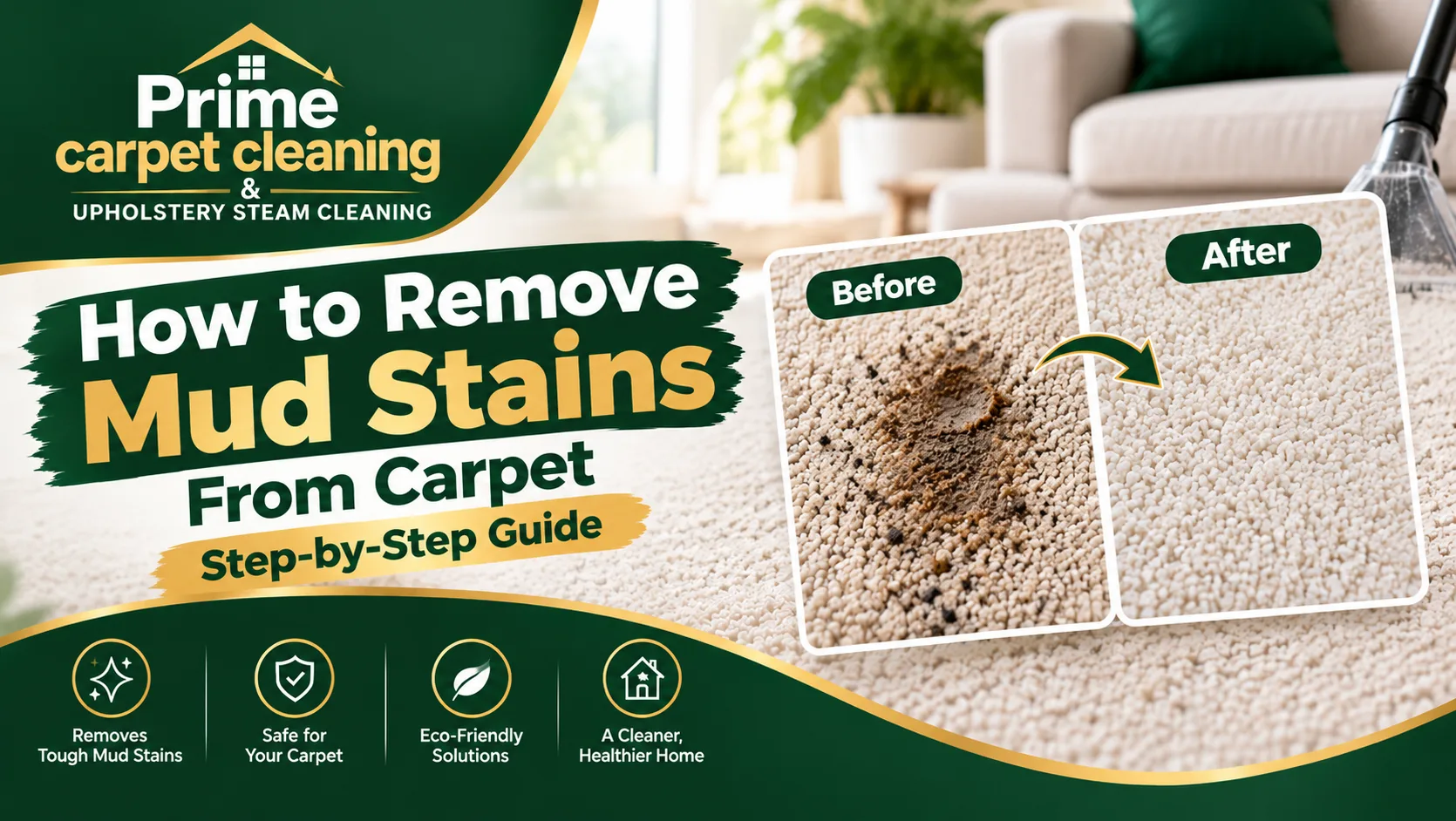 7 min read
20 October 2026
How to Remove Mud Stains From Carpet: A Step-by-Step Guide
Muddy footprints can make a clean carpet look dirty in seconds. Learn how to lift fresh and dried mud safely, step by step, and the mistakes to avoid.
Read More → 6 min read
16 October 2026
How Often Should You Vacuum Your Carpet?
Some rooms need vacuuming several times a week, others only once. Learn how often to vacuum carpet, the best way to do it, and simple habits that keep carpets cleaner.
Read More → 8 min read
15 October 2026
Carpet Care and Maintenance: The Complete Guide
Regular maintenance helps reduce everyday dirt, manage spills, prevent unnecessary wear, and keep carpets looking their best for longer. Here are practical carpet care tips for your home.
Read More →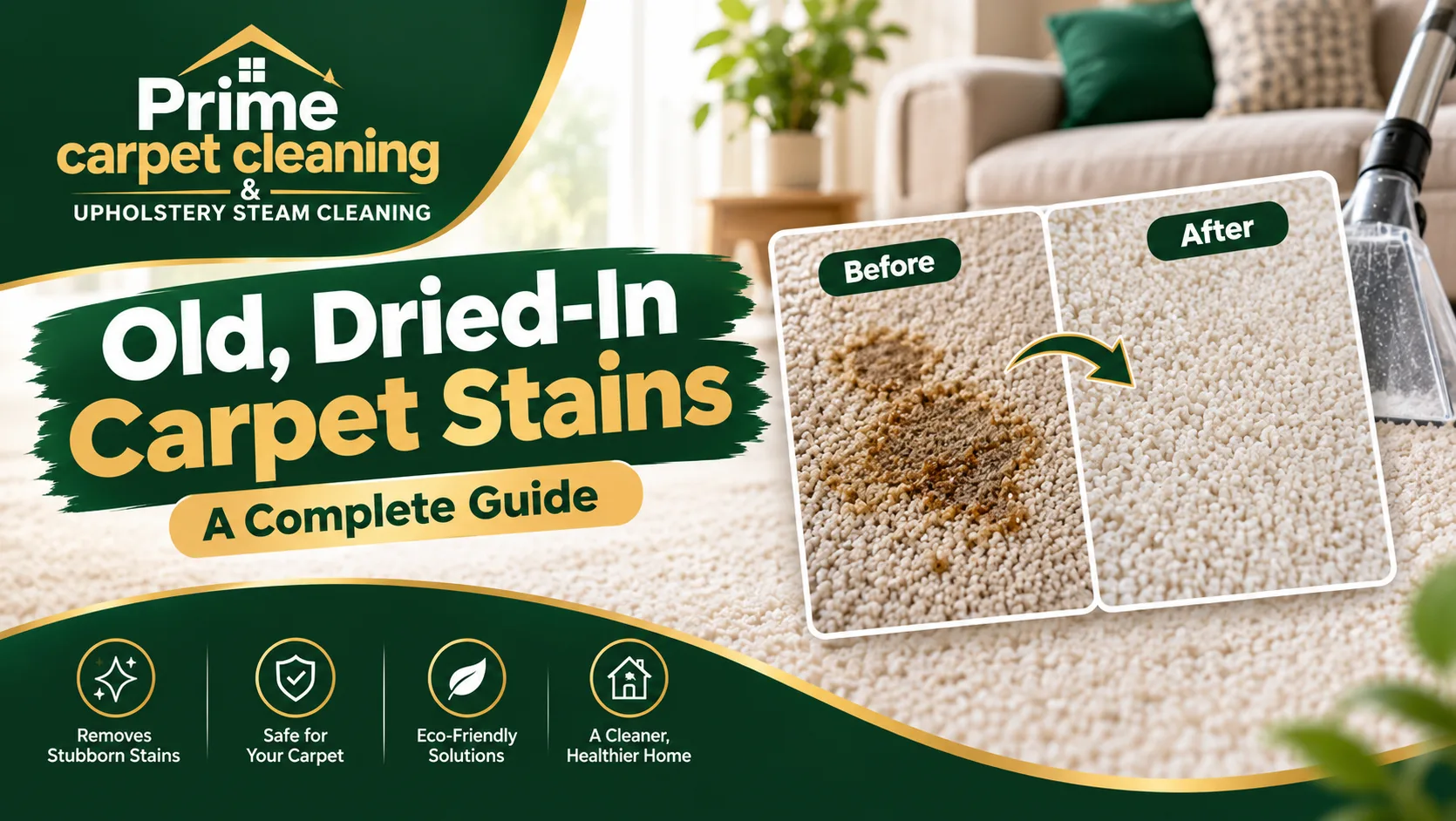 9 min read
14 October 2026
How to Remove Old, Dried-In Carpet Stains: A Complete Guide
A dried stain does not always mean the carpet is permanently marked. Learn how to treat old, dried-in stains gradually and safely, and when professional help is the better option.
Read More → 7 min read
13 October 2026
How to Remove Ink From Carpet: A Simple Step-by-Step Guide
Whether it is from a leaking pen, marker, or another ink spill, the right cleaning steps can help prevent the stain from spreading and becoming harder to remove.
Read More → 6 min read
9 October 2026
How to Remove Blood From Carpet: A Simple Step-by-Step Guide
Fresh blood is usually easier to remove, while dried blood may take more time and gentler cleaning. Use cold water, blot instead of rubbing, and follow these simple steps.
Read More → 7 min read
6 October 2026
How to Remove Oil From Carpet: A Simple Step-by-Step Guide
Oil can spread through carpet fibres and leave a dark, greasy mark if it is not treated properly. Absorb first, clean carefully, and avoid rubbing — here is the full step-by-step guide.
Read More → 7 min read
2 October 2026
How to Remove Pet Urine Stains From Carpet: A Step-by-Step Guide
Pet accidents can leave more than a wet patch on your carpet. Act quickly, absorb as much urine as possible, and clean carefully — here is the full step-by-step guide.
Read More → 7 min read
1 October 2026
How to Remove Coffee Stains From Carpet: A Simple Step-by-Step Guide
Spilled coffee can leave a noticeable mark on your carpet, especially if you don't clean it quickly. Here's how to treat fresh and dried coffee stains the right way.
Read More → 8 min read
30 September 2026
How to Clean Carpet Stains: A Complete Guide to Removing Common Stains
A spilled coffee, muddy shoes, or a pet accident can leave an unwanted mark on your carpet. Learn simple ways to treat common stains, clean old marks, and know when to call in the professionals.
Read More → 7 min read
29 September 2026
How to Remove Red Wine Stains From Carpet: A Step-by-Step Guide
Spilled red wine on your carpet? Don't panic. Act fast, blot instead of rubbing, and use a suitable cleaning solution — here's the full step-by-step guide for fresh and dried stains.
Read More →